

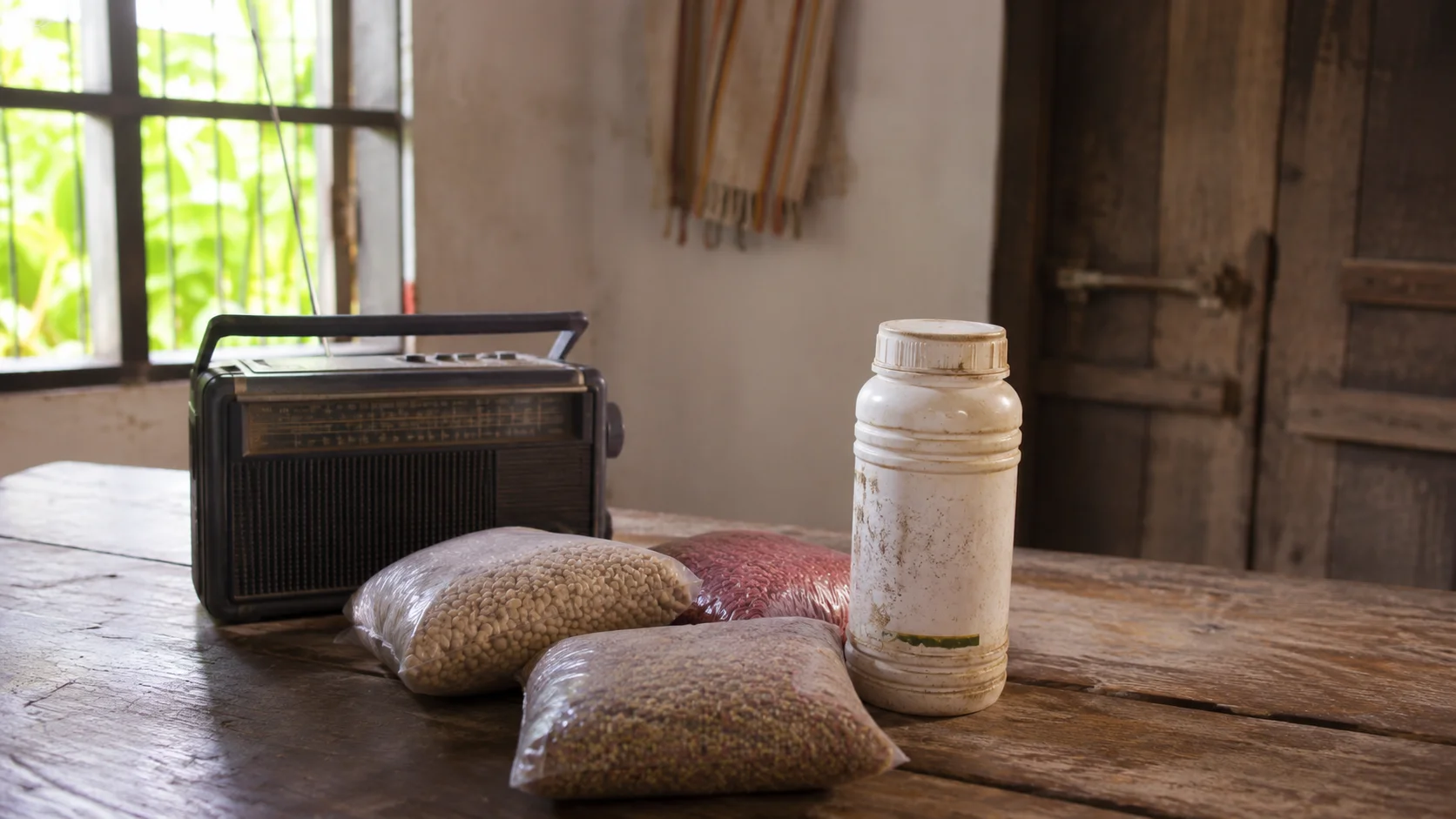
In May 2020, Prime Minister Narendra Modi mentioned Farmkart by name in the 70th edition of Mann Ki Baat — his monthly radio programme with an estimated listenership of 500 million people. The recognition was for Farmkart's work during India's COVID-19 lockdown, when agricultural supply chains had stalled and farmers across Madhya Pradesh were struggling to access inputs needed for the kharif sowing season.
This is what Farmkart was actually doing during those months — and why it mattered beyond the headline.
What Mann Ki Baat Is — and What a Mention Means
Mann Ki Baat ("Voice of the Heart") is Prime Minister Modi's monthly radio address, broadcast on All India Radio and Doordarshan since October 2014. With an estimated listenership of 500 million people, it is one of the largest direct-to-citizen communication platforms in the world by reach. A mention in Mann Ki Baat isn't a government award — it's the Prime Minister choosing to highlight an organisation's work as an example worth sharing with half a billion people. It carries no financial benefit and requires no application. It's recognition as example, not recognition as recipient.
For a Barwani-based agritech startup in its third year of operations, the mention was a public signal that the work being done was visible at the highest level of Indian governance.
What Farmkart Was Doing During the COVID-19 Lockdown
When India's nationwide lockdown began in March 2020, the timing was critical for Indian agriculture. The kharif sowing season — which produces rice, soybean, cotton, and maize across central India — requires input procurement (seeds, fertilisers, pesticides) in March through May. Lockdown restrictions shuttered input dealers, blocked transportation of agricultural goods, and created uncertainty about whether farmers would be able to plant at all.
Farmkart's response involved three specific initiatives:
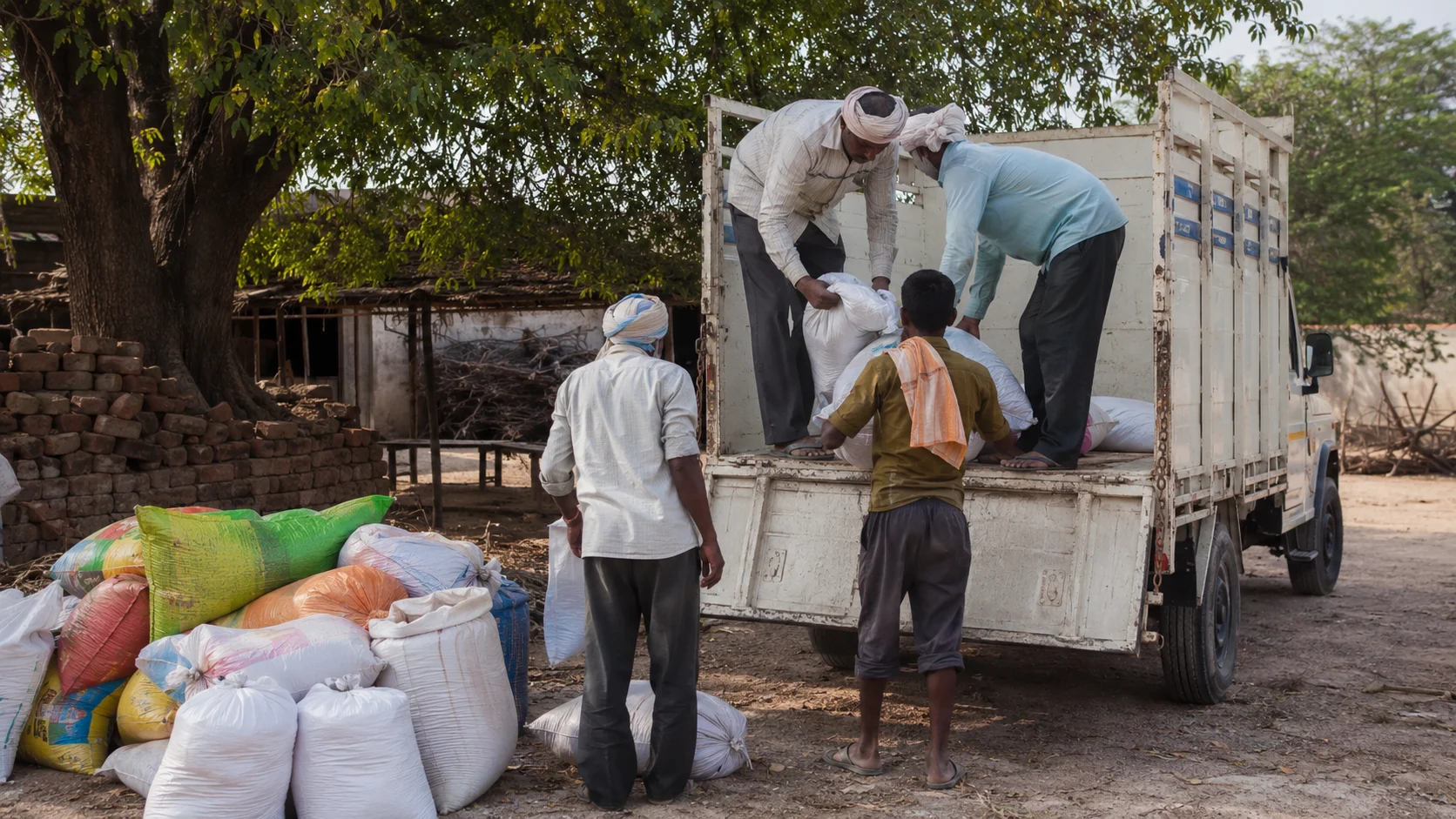
- Essential input delivery during lockdown. By classifying agricultural inputs as essential goods, Farmkart negotiated with state and district administrations to maintain delivery operations during lockdown — getting certified seeds, fertilisers, and crop protection products to farmers in MP who had no other supply source.
- Direct-to-farmer supply chain activation. With local dealers closed, Farmkart activated direct supply from manufacturer to farmer, compressing a supply chain that normally passes through three or four intermediaries. This also allowed faster movement of time-sensitive products like pre-emergent herbicides that farmers couldn't delay.
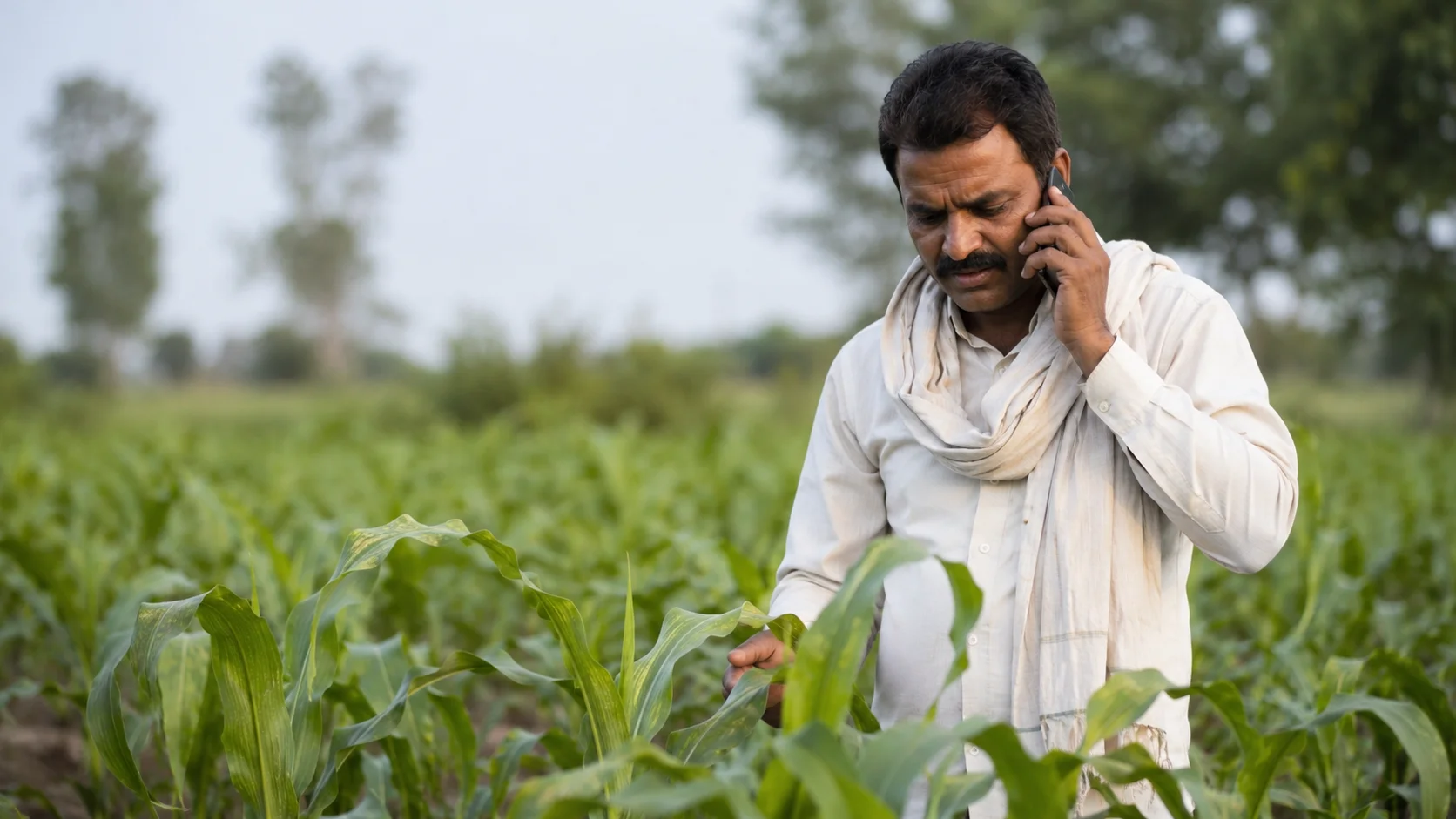
- Agronomy support at a distance. With physical field visits impossible, Farmkart's agronomy team shifted to remote advisory — phone and app-based crop management guidance for farmers facing unusual challenges: delayed sowing, altered irrigation access due to labour shortages, and uncertainty about market access for their harvest.
The result: farmers in Farmkart's network in MP were able to complete kharif 2020 sowing on schedule despite the lockdown. This is the work that PM Modi referenced in Mann Ki Baat.
Why Agricultural Supply Chain Continuity Mattered During COVID
India's food security during COVID-19 depended on farmers continuing to plant and harvest on schedule. A delayed or missed kharif season in a major agricultural state like Madhya Pradesh doesn't just affect farmer income — it affects the food supply for millions of people 6–9 months later.
The organisations that kept agricultural supply chains moving during lockdown were doing essential infrastructure work, not just running businesses. Farmkart's digital-first model, built for rural India's connectivity constraints, turned out to be exactly suited to the moment when physical commerce was restricted.
In Farmkart's field research across MP districts, farmers who had previously used the Farmkart platform adapted to lockdown conditions significantly faster than those dependent on physical dealer relationships. The crisis accelerated digital adoption in agricultural input procurement by 3–4 years relative to pre-COVID trends — and farmers who made that transition have largely stayed with digital channels since.
From Recognition to Ecosystem
The Mann Ki Baat mention was a moment, not a destination. In the years since, Farmkart has expanded from an agri-commerce platform into the Farmkart Group — a seven-company ecosystem covering solar energy (R-Solar), functional nutraceuticals (Synervion), tissue culture horticulture (Reva Flora), water treatment, and sustainability consulting. The agri-commerce platform itself now serves farmers across multiple states with 700+ certified products.
The COVID lockdown demonstrated what the agripreneur model always assumes: that farmers with access to reliable, digital-first supply chains are more resilient than those who don't. Crises test infrastructure. Farmkart's passed.